
Abstract:
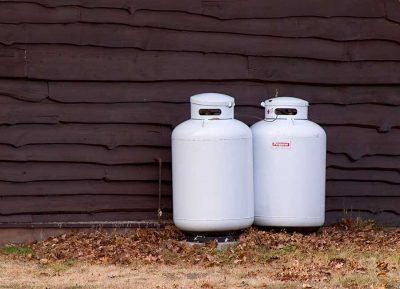
LPG, short for Liquefied Petroleum Gas, is a light hydrocarbon by-product generated from petroleum refining and natural gas exploitation. It is mainly composed of propane and butane, with small amounts of propylene, butene and other hydrocarbons.LPG cylinders play a vital role in daily life. Classified by capacity, they fall into household, commercial and industrial types. Household cylinders hold 14.2 kilograms of LPG, while commercial and industrial specifications are 19 kilograms and 35 kilograms respectively. Rising LPG consumption forces users to reserve replacement cylinders at least one month in advance. It is difficult to gauge residual gas volume inside cylinders, bringing much inconvenience. Hence, efficient monitoring equipment is in great demand to track LPG liquid level.
1. Main Application Fields of LPG
Featuring clean combustion, high calorific value and convenient storage, LPG has wide-ranging applications.
- Civil use: Household bottled gas and commercial catering fuel.
- Industrial use: Heat source for industrial furnaces and thermal treatment equipment, as well as chemical raw material for synthetic rubber and cracking processes.
- Transportation: Eco-friendly vehicle fuel with low pollution and economical cost.
2. Current LPG Liquid Level Detection : Drawbacks of Traditional Technologies
As flammable, explosive and high-pressure medium, LPG poses long-standing industry challenges in balancing safety and detection accuracy, as well as poor working condition adaptability. Conventional detection methods are divided into contact and non-contact types, each with distinct merits and flaws.
2.1 Contact Liquid Level Detection
As the earliest and most widely adopted solution, contact sensors directly touch LPG medium. They feature simple structure and low cost, commonly applied to small and medium-sized civil cylinders and regular industrial storage tanks.
2.2 Non-contact Liquid Level Detection
Developed to avoid corrosion, leakage and short service life of contact devices, non-contact solutions include radar and laser level meters.
Stable performance unaffected by temperature and pressure. Weak reflected signals caused by low dielectric property of LPG, plus clutter interference from tank inner walls and brackets lead to complicated commissioning and high procurement cost. It is only applicable to large industrial tanks and unfit for small cylinders.
High precision and fast response. Poor penetration capacity makes laser beams easily blocked by internal vapor, resulting in detection failure. High equipment and maintenance costs also restrict its application.
3. Advantages of Ultrasonic Sensors for LPG Level Detection
(1) Simple structure & affordable cost for large-scale promotion
(2) Strong anti-interference & stable measurement
Internal vapor and gas volatility barely affect ultrasonic penetration. Free of mechanical moving parts, the sensor avoids jamming and wear. It operates steadily under wide temperature range from -40℃ to 85℃ with excellent vibration and temperature resistance.
(3) Intrinsic safety for flammable high-pressure scenarios
Adopting external pasting installation at tank bottom, no tank drilling or medium contact is required, fundamentally eliminating leakage risks caused by opening holes on containers.
4. DYP Customized Sensor for LPG Level Monitoring
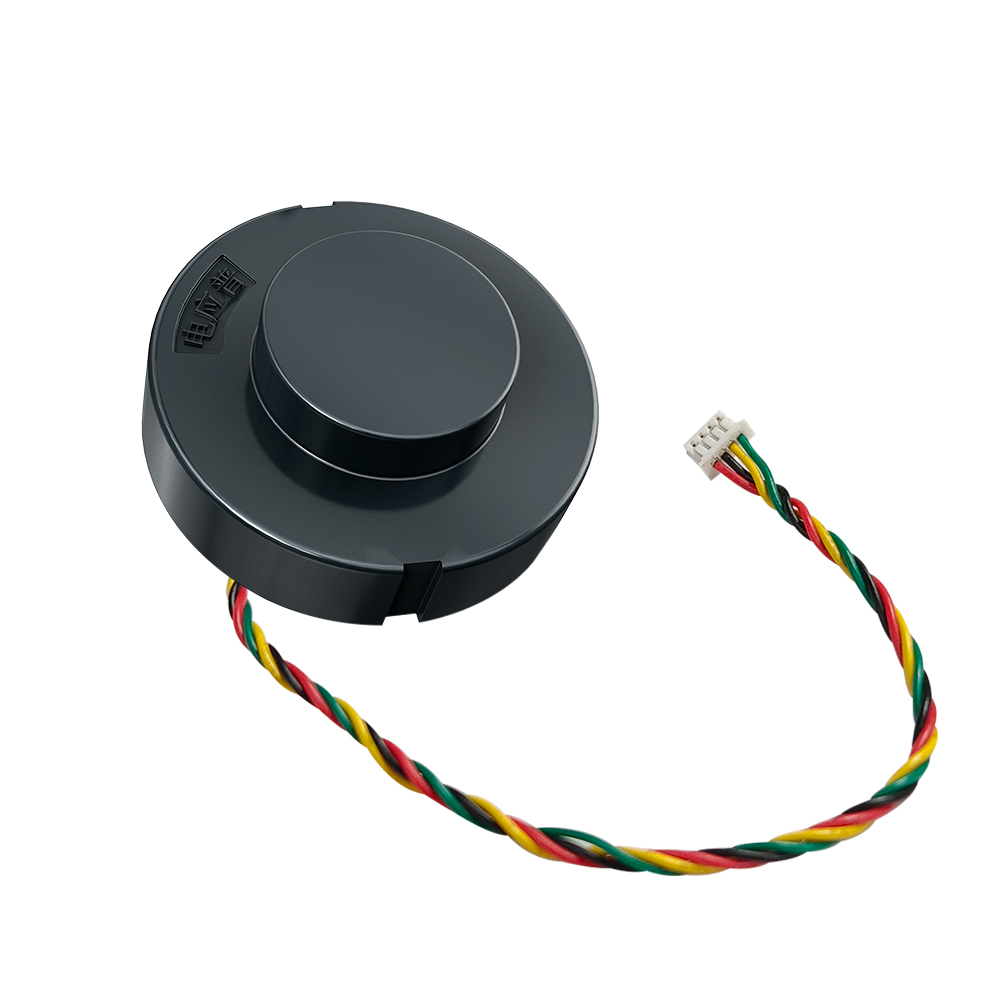
DYP-L06 adopts high-frequency ultrasonic technology to achieve non-contact liquid level measurement for sealed LPG containers, getting rid of traditional invasive installation. It supports data transmission to cloud platform via NB-IOT, HTTP, LoRaWAN and other protocols, enabling remote real-time LPG consumption monitoring.
Post time: May-22-2026